

Ukraine Faces Land-for-Peace Deal Pressure Amid Trump-Putin Talks


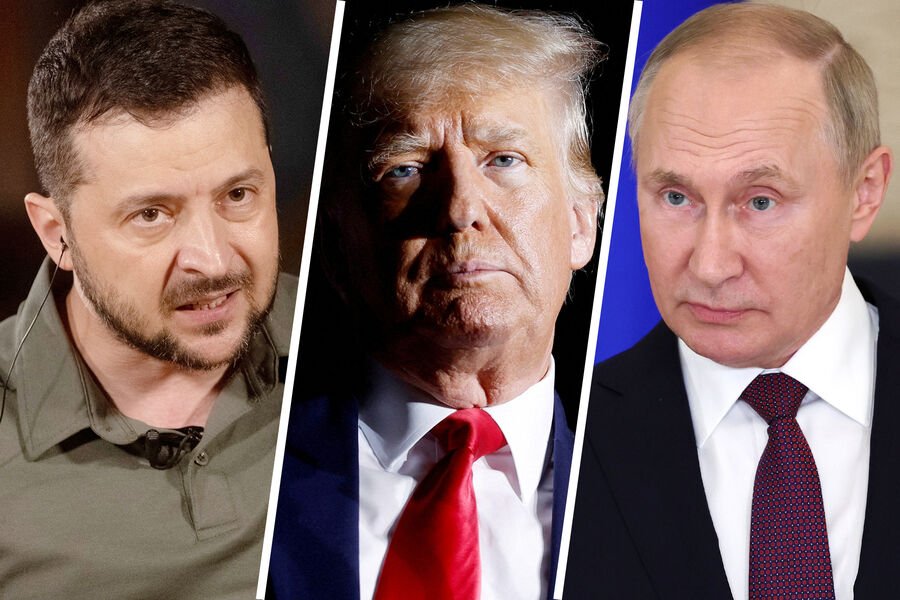
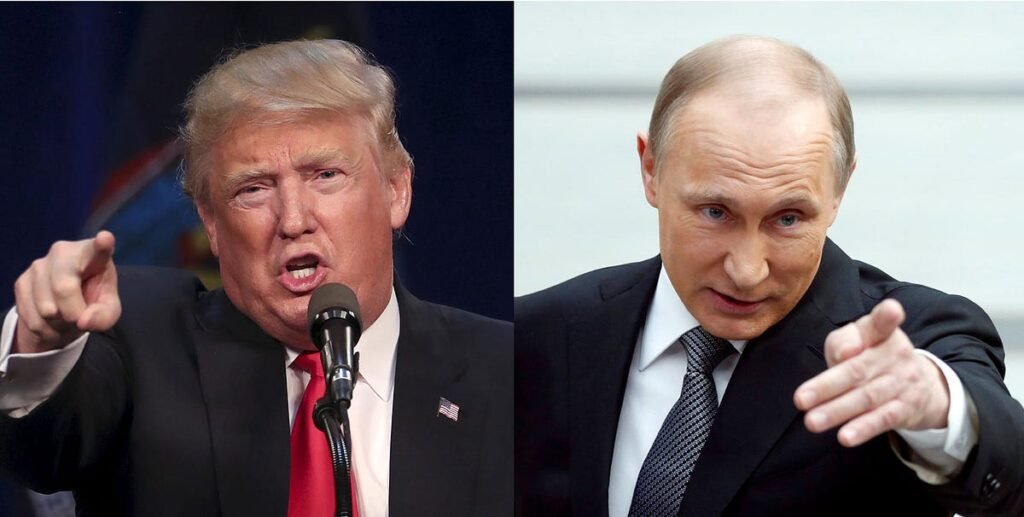
The latest round of talks between former U.S. President Donald Trump and Russian leader Vladimir Putin has reignited speculation over the possibility of a controversial land-for-peace deal in Ukraine. While both sides deny that a concrete agreement is on the table, the political theater surrounding the discussions has put Kyiv in a precarious position.
For Ukraine, the stakes could not be higher. Any suggestion of ceding occupied territory in exchange for peace risks undermining its sovereignty and alienating a population that has endured nearly three years of brutal war. Yet, with pressure mounting from Western allies who are weary of prolonged conflict and rising energy costs, the conversation is no longer hypothetical.
Trump’s Return to the Spotlight
Trump has framed himself as a dealmaker capable of ending the war “in 24 hours,” a claim that resonates with certain audiences in both Europe and the United States who are fatigued by the steady stream of aid packages and humanitarian crises. His meeting with Putin, held in neutral territory, underscored the former president’s willingness to engage directly with Moscow, in stark contrast to the cautious diplomacy of current Western leaders.
But the optics are tricky. For critics, Trump’s willingness to negotiate with Putin looks less like pragmatism and more like appeasement. European leaders, particularly in Eastern Europe, fear that Washington could prioritize a quick resolution over Ukraine’s territorial integrity. That fear is amplified by Trump’s past ambivalence toward NATO and his transactional approach to alliances.
Kyiv’s Tightrope
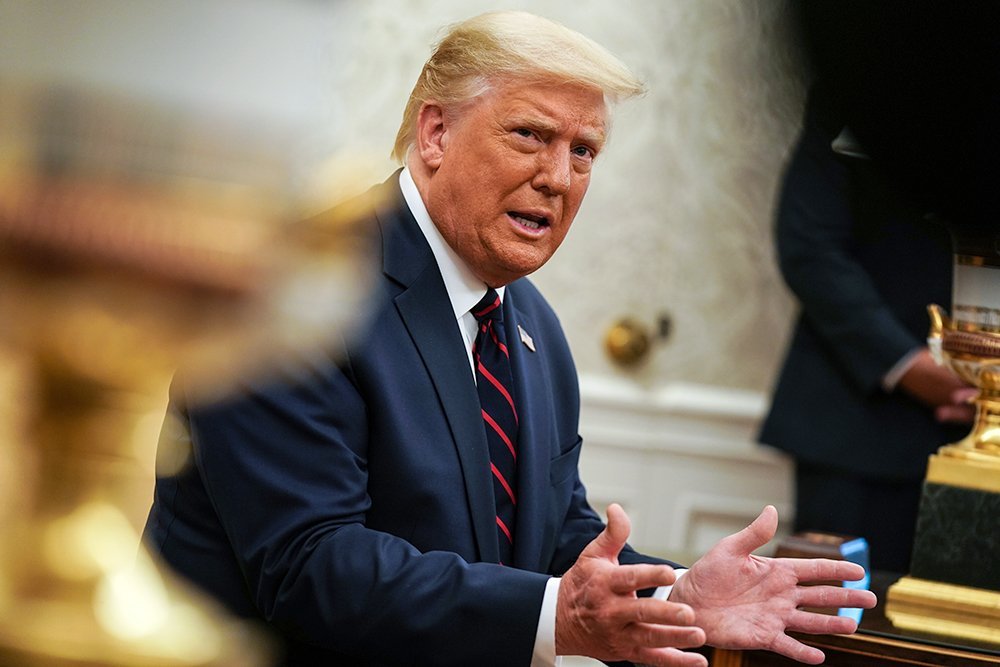
For President Volodymyr Zelensky, the prospect of external actors entertaining a land-for-peace framework presents a political nightmare. Domestically, any concession would be met with outrage from citizens who have sacrificed lives and livelihoods to resist Russia’s aggression. Ukrainian public opinion polls consistently show overwhelming opposition to territorial compromise, especially after atrocities in places like Bucha and Mariupol.
Yet Kyiv is dependent on Western military aid, economic support, and diplomatic backing to sustain the war effort. If Ukraine’s allies begin to waver in their resolve, Zelensky may face limited options. The message from Washington and Brussels has so far been one of solidarity, but the Trump-Putin talks hint at a possible shift in tone if political winds change.
Moscow’s Calculation
For Putin, the land-for-peace narrative is not new. Since the annexation of Crimea in 2014, the Kremlin has sought to legitimize its territorial gains and freeze conflicts on its own terms. The idea of Ukraine conceding Donbas or Crimea in exchange for peace aligns with Moscow’s long-term strategy: lock in military gains, weaken Kyiv’s sovereignty, and test the cohesion of the Western alliance.
Trump’s involvement gives Putin an unexpected boost. While the Russian leader remains isolated in much of the world, the prospect of negotiations with a high-profile Western political figure provides him with a veneer of legitimacy. More importantly, it signals to Russian audiences that the West may eventually bend.
Western Divisions
The reaction within Europe to the Trump-Putin dynamic has been sharply divided. Countries on NATO’s eastern flank, such as Poland and the Baltic states, view any discussion of territorial concessions as a direct threat to their own security. They argue that rewarding Russian aggression would only embolden further expansionism.
In Western Europe, however, economic concerns weigh heavily. High energy prices, refugee inflows, and the political rise of populist parties have created fertile ground for arguments in favor of ending the war swiftly — even if it means compromise. France and Germany, in particular, are wary of an open-ended conflict that drains resources and undermines continental stability.
A Fragile Balance
The situation evokes comparisons to earlier moments in European history when great power negotiations occurred over the heads of smaller nations. Analysts warn that any land-for-peace deal reached without Ukraine’s full consent would not only betray Kyiv but also set a dangerous precedent for international law.
At the same time, the harsh reality is that prolonged war carries its own risks. Ukraine’s economy remains battered, its infrastructure devastated, and its population exhausted. Even as new weapons flow in, questions about long-term sustainability linger.
What Comes Next?
Whether the Trump-Putin talks amount to mere political posturing or a prelude to serious negotiations remains unclear. Much depends on U.S. domestic politics, especially as Trump positions himself for another presidential run. If he regains power, Ukraine may find itself under renewed pressure to consider compromises it has long rejected.
For now, Zelensky continues to insist that Ukraine will not surrender land in exchange for peace. “Every meter of our territory matters,” he declared recently, emphasizing that victory means full sovereignty restored. Yet as the global debate intensifies, Kyiv’s resolve will be tested not just on the battlefield but in the court of international opinion.
Conclusion
The renewed discussion of land-for-peace reflects the complexity of the war’s next phase. On one side stands a vision of Ukraine as a sovereign nation with inviolable borders. On the other, a growing impatience in some quarters of the West and a Russian regime determined to cash in its territorial advances. The Trump-Putin dialogue highlights the tension between principle and pragmatism, sovereignty and expediency.
As Ukraine braces for the months ahead, one thing is clear: the path forward will be shaped not only by battles in Donetsk or Kherson, but also by conversations in Washington, Moscow, and European capitals. And in those conversations, the question of land for peace will remain the most dangerous — and divisive — possibility on the table.