


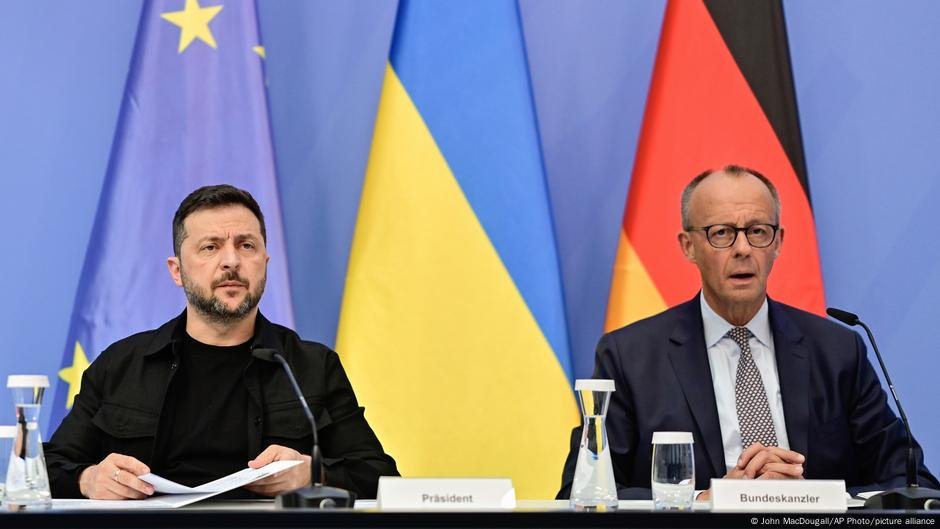
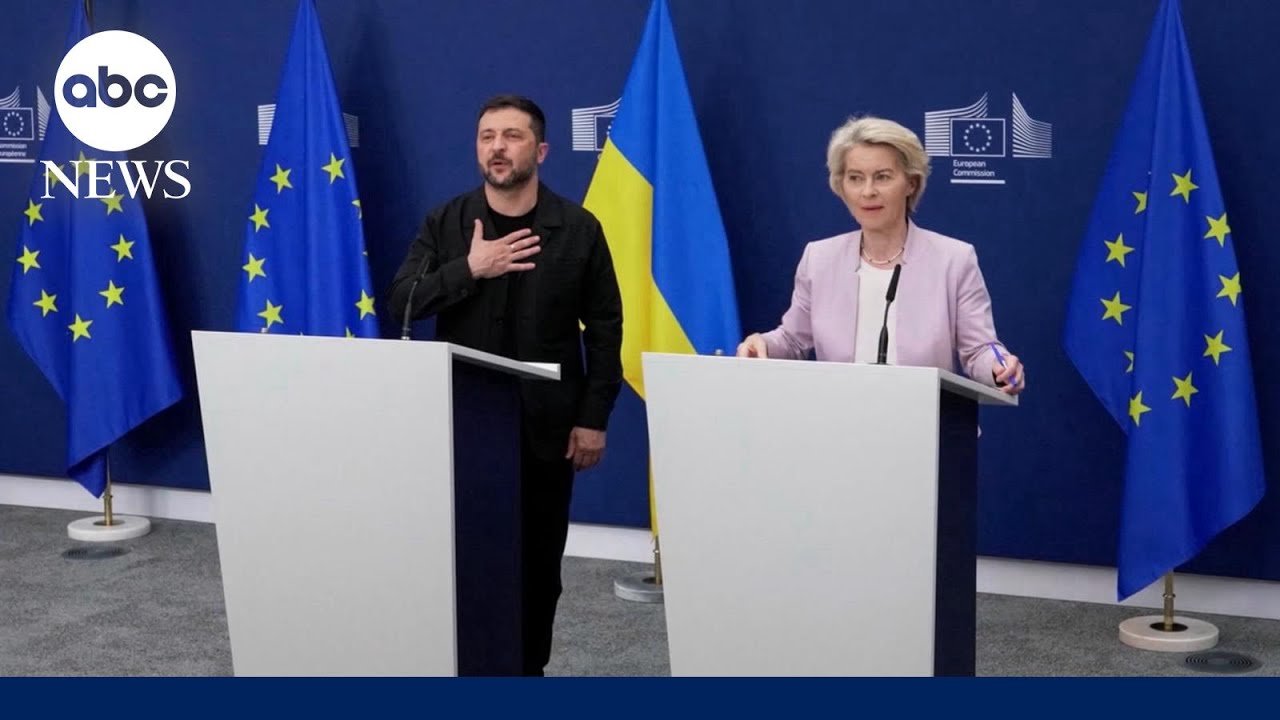
Ukrainian President Volodymyr Zelenskyy arrives in Washington this week for a high-stakes diplomatic mission aimed at securing fresh security guarantees and reaffirming U.S. support as the war with Russia drags into another grueling year. The visit comes amid growing debate in Congress over the scale of American aid to Kyiv, partisan rifts ahead of the U.S. presidential election, and fatigue among Western allies wary of an open-ended conflict.
For Zelenskyy, the trip is about more than weapons or financial assistance. It is about shoring up long-term guarantees that Ukraine’s sovereignty will remain a strategic priority for Washington, regardless of political winds.


Seeking Assurance Beyond the Battlefield
Since Russia’s full-scale invasion in 2022, Ukraine has received tens of billions of dollars in military, economic, and humanitarian aid from the United States. Advanced systems such as HIMARS rockets, Patriot air defenses, and Abrams tanks have bolstered Ukraine’s battlefield resilience. Yet Kyiv’s leadership knows that material support alone will not guarantee long-term security.
Zelenskyy is pressing for formalized commitments—whether in the form of bilateral agreements, defense treaties, or NATO-style assurances—that would make Ukraine less vulnerable to shifting political tides in Washington. With U.S. elections looming and voices in Congress calling for greater scrutiny of aid, the Ukrainian president’s appeal is both urgent and strategic.


Political Crosscurrents in Washington
The timing of the visit is delicate. On Capitol Hill, bipartisan support for Ukraine has shown signs of strain. While many Democrats and establishment Republicans back continued assistance, a vocal faction within the GOP has questioned the scale of U.S. involvement, arguing that resources should be prioritized domestically.
Former President Donald Trump, currently the frontrunner for the Republican nomination, has repeatedly claimed he could end the war quickly if returned to office—remarks that have fueled speculation about whether he might push Ukraine toward territorial concessions. Against this backdrop, Zelenskyy must not only reassure allies but also persuade skeptics that American support is an investment in global stability, not a costly distraction.
The White House’s Balancing Act
President Joe Biden has cast support for Ukraine as a cornerstone of U.S. foreign policy, framing the conflict as a test of the free world’s resolve against authoritarian aggression. Administration officials have signaled they are open to discussing additional security guarantees, though specifics remain unclear.
Possible frameworks include multiyear defense assistance packages, expanded intelligence-sharing, and agreements on joint military exercises. Some analysts suggest that Washington could explore a model similar to U.S. commitments with Israel, which combine aid guarantees with qualitative military advantages. Others argue that only NATO membership can truly secure Ukraine’s future, though that remains a divisive issue among allies.
Kyiv’s Tightrope Strategy
Zelenskyy’s push for deeper guarantees comes at a time when Ukraine faces mounting battlefield pressures. Russian forces have dug in across occupied territory, and Ukrainian counteroffensives have delivered only incremental gains. With winter approaching, Kyiv is bracing for another wave of missile strikes on energy infrastructure, underscoring the need for sustained Western air defense support.
At home, Zelenskyy must also maintain public confidence. Ukrainians remain determined to resist Russian aggression, but morale is strained by high casualties, economic hardship, and the uncertain timeline of war. Delivering visible diplomatic wins abroad helps reinforce the message that their sacrifices are not in vain.
Allies Watching Closely
European allies will be paying close attention to Zelenskyy’s visit. For months, leaders in Paris, Berlin, and Warsaw have urged Washington to maintain its central role in the coalition supporting Ukraine. Any signs of wavering U.S. commitment would reverberate across Europe, potentially weakening sanctions enforcement and complicating future aid packages.
At the same time, some European governments are quietly hoping Washington will shoulder more of the burden of long-term security guarantees, as their own resources face constraints. Zelenskyy’s ability to lock in commitments in Washington could therefore have ripple effects across the entire alliance.
The Stakes
The symbolism of the trip is as important as the substance. By appearing in Washington, Zelenskyy seeks to remind Americans that Ukraine’s struggle is not a distant conflict but part of a broader contest over the future of democratic values and international order. His speeches in Congress and meetings with U.S. officials will aim to reframe aid not as charity but as strategic investment.
Still, questions remain. Can Zelenskyy secure binding commitments that outlast election cycles? Will Congress authorize additional funding in the months ahead? And can the U.S. and Ukraine craft an arrangement that deters Russia without escalating into direct confrontation?
Conclusion
Zelenskyy’s Washington trip is more than another diplomatic visit—it is a pivotal moment in Ukraine’s quest for security assurances that extend beyond the battlefield. The stakes are high: failure to secure stronger guarantees could embolden Moscow and unsettle allies, while success could provide Ukraine with the confidence to continue resisting aggression.


