


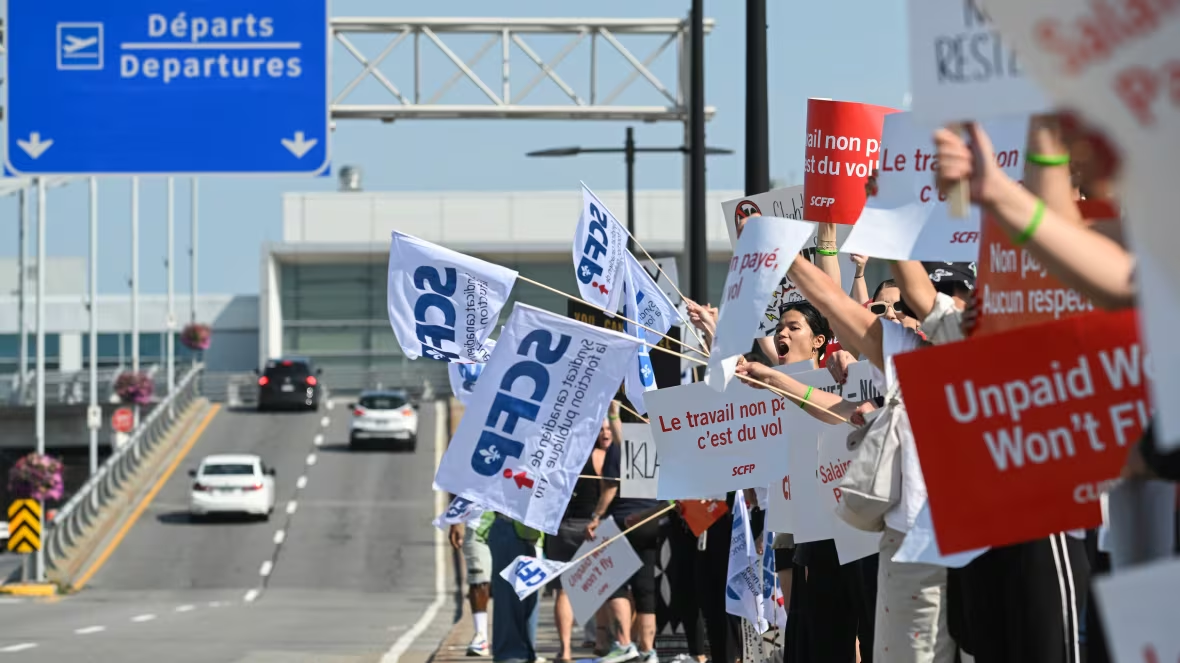
Toronto, August 2025 — The ongoing labor dispute between Air Canada and its flight attendants has intensified, as thousands of crew members continue their strike in defiance of government intervention. The walkout, which began last week, has already caused widespread disruption to the airline’s operations, with hundreds of flights delayed or canceled. Despite mounting pressure, union leaders say the strike will continue until their demands are met, framing the confrontation as a test of workers’ rights in Canada’s aviation sector.



Rising Tensions with Ottawa
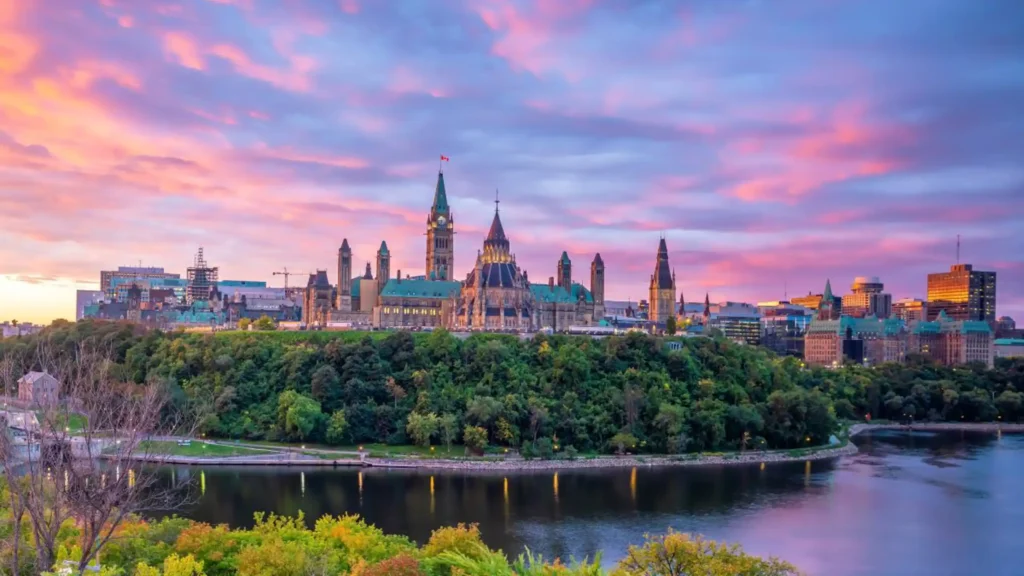
The federal government has urged the striking flight attendants to return to work, arguing that prolonged disruptions to air travel threaten the country’s economy and the public interest. Officials have hinted at possible back-to-work legislation, a measure that would legally force employees to resume their duties while negotiations proceed.
However, union representatives insist that such government action would unfairly silence their concerns. “Our members are not just fighting for better wages,” said a spokesperson for the Canadian Union of Public Employees (CUPE), which represents the flight attendants. “We are demanding safer working conditions, fair scheduling, and respect for the vital role our crews play in keeping the airline running.”

Key Demands of the Strike
The union has highlighted several grievances that led to the strike:
- Wages: Flight attendants say their pay has not kept pace with inflation and the rising cost of living in Canada’s major cities.
- Workload: Crews report being stretched thin, especially after post-pandemic route expansions increased workloads without additional staffing.
- Rest Periods: Workers are pushing for longer mandatory rest times between flights, citing fatigue and passenger safety.
Air Canada management has argued that the company already provides competitive compensation compared to other airlines. In a public statement, executives emphasized that negotiations should continue without service disruptions, adding that the strike is “unreasonable and damaging to customers.”
Impact on Travelers
For passengers, the strike has brought frustration and uncertainty. Major airports, including Toronto Pearson, Vancouver International, and Montreal-Trudeau, have seen long lines, delayed departures, and a growing number of cancellations. Some travelers have scrambled to rebook on rival airlines, while others were forced to postpone vacations or business trips.
The tourism industry, already struggling to rebound from recent economic challenges, has voiced concern. “A prolonged strike could hurt Canada’s global reputation as a reliable travel destination,” warned a hospitality industry spokesperson.
Broader Labor Implications
The Air Canada strike has sparked debate beyond the aviation industry. Labor advocates argue that the dispute highlights deeper tensions between workers and employers across Canada. With inflation squeezing households and companies reporting strong profits, many unions feel emboldened to push harder in contract talks.
Some analysts note parallels to strikes in other sectors, including healthcare, education, and manufacturing, where employees have sought improved wages and working conditions. “This is part of a larger wave of worker activism,” said one labor expert. “Air Canada flight attendants are making a stand, but they are not alone.”
What Comes Next?
As the strike enters its second week, pressure is building on all sides to find a resolution. Government officials are weighing whether to intervene more forcefully, though doing so risks criticism from labor groups. Air Canada faces mounting financial losses and reputational damage as the strike drags on.
For now, the union remains steadfast. “We will not back down until a fair agreement is reached,” said CUPE’s spokesperson. “Our crews deserve dignity, safety, and pay that reflects the realities of our work.”
Whether the government enforces back-to-work legislation or negotiations produce a breakthrough, the outcome of this dispute is likely to have lasting consequences. Not only will it shape the future of labor relations at Air Canada, but it may also influence how other Canadian unions approach bargaining in the months to come.
Conclusion
The strike by Air Canada flight attendants is more than a standoff over wages and schedules. It represents a broader struggle over workers’ rights, corporate responsibility, and the role of government in labor disputes. As planes remain grounded and passengers face uncertainty, the nation watches closely to see whether compromise, confrontation, or legislation will ultimately end the standoff.


