


A wave of public demonstrations has erupted across the country as citizens push back against efforts to extend the presidential mandate, calling the move a direct assault on democratic principles. What began as small, scattered protests has now evolved into a nationwide movement, underscoring the deep unease many feel about the prospect of entrenched leadership and diminished accountability.


Growing Public Anger
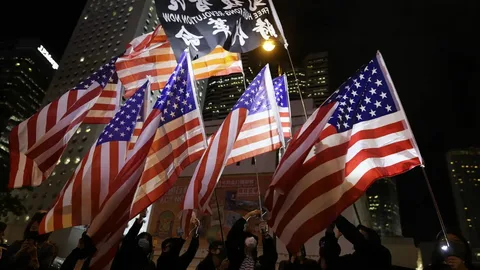
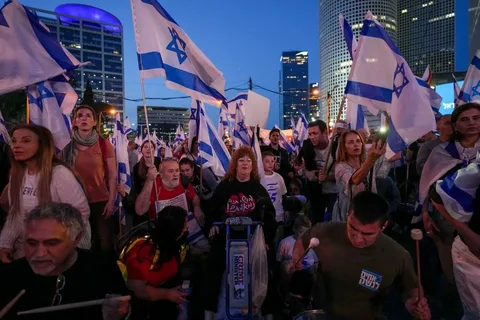
Tens of thousands of people poured into the streets over the weekend, carrying banners, chanting slogans, and demanding that the current administration respect constitutional limits. “No leader is above the law,” shouted one protester in the capital, summing up the sentiment of many who view term extensions as a dangerous precedent.
The demonstrations have spread far beyond urban centers, with rural communities joining in solidarity. Teachers, students, trade unions, and civil society groups have taken part, signaling a rare moment of unity across social and political divides.

A Familiar Playbook
The push to prolong presidential authority follows a pattern seen in several countries where leaders have sought to rewrite constitutions or reinterpret term limits to remain in power. Critics warn that such maneuvers erode institutional checks and weaken democratic safeguards.
“This is not just about one leader,” said political analyst Mariah Santos. “It’s about whether the country respects its democratic contract. If term limits can be bent once, they can be bent again, until they disappear altogether.”
Government’s Justification
Officials close to the presidency argue that continuity is needed to ensure stability during a period of economic and security challenges. They point to ongoing reforms, fragile peace talks with insurgent groups, and volatile global conditions as reasons to avoid a disruptive leadership change.
“The president’s leadership has been indispensable,” said one cabinet minister. “Extending his mandate ensures we don’t lose momentum in addressing national crises.”
But critics view this reasoning as little more than political cover. They note that many of the crises cited by the government have worsened under the current administration and that extending presidential rule could further undermine public trust.
Opposition Mobilizes
Opposition parties, long divided, have found common cause in opposing the extension. Leaders from across the political spectrum have joined protests, warning that democracy itself is at stake. Some have promised to launch legal challenges if the government proceeds.
“We cannot allow personal ambition to override the constitution,” declared one opposition figure at a rally. “This is where we draw the line.”
Civil society organizations are also playing a central role, coordinating demonstrations, issuing joint statements, and engaging international partners. Social media campaigns under hashtags like #RespectTheConstitution have amplified the message, spreading awareness beyond national borders.
International Response
The international community has begun to take notice. Western governments have expressed concern, with several issuing statements urging respect for constitutional term limits. Human rights organizations have echoed these calls, warning that an extension could deepen political polarization and destabilize the region.
Regional allies, however, have responded more cautiously. Some neighboring governments, themselves led by entrenched rulers, have been reluctant to criticize moves that mirror their own political practices. Still, pressure is mounting from global institutions that view the situation as a test of democratic resilience.
Risks of Escalation
While the rallies have largely been peaceful, tensions are rising. Security forces have been deployed in key cities, and confrontations have already resulted in arrests and injuries. Analysts warn that if the government cracks down harder, the movement could escalate into a broader confrontation with unpredictable consequences.
The military’s stance remains a critical unknown. If security forces side firmly with the presidency, the opposition may face steep odds in preventing the extension. However, should divisions emerge within the ranks, the government’s position could weaken dramatically.
A Pivotal Moment
What happens next may define the nation’s political trajectory for years to come. The proposed extension is not just about prolonging one presidency—it represents a broader struggle over constitutional order, institutional independence, and the boundaries of executive power.
For many citizens, the protests are about defending hard-won democratic rights. “We are not out here for politics,” said a university student waving the national flag during a demonstration. “We are out here for our future.”
Conclusion
The battle over presidential term limits has become a flashpoint, crystallizing frustrations with governance and fears of democratic backsliding. As protests gain momentum and international scrutiny intensifies, the government faces mounting pressure to either step back from its plan or risk deeper unrest.


