
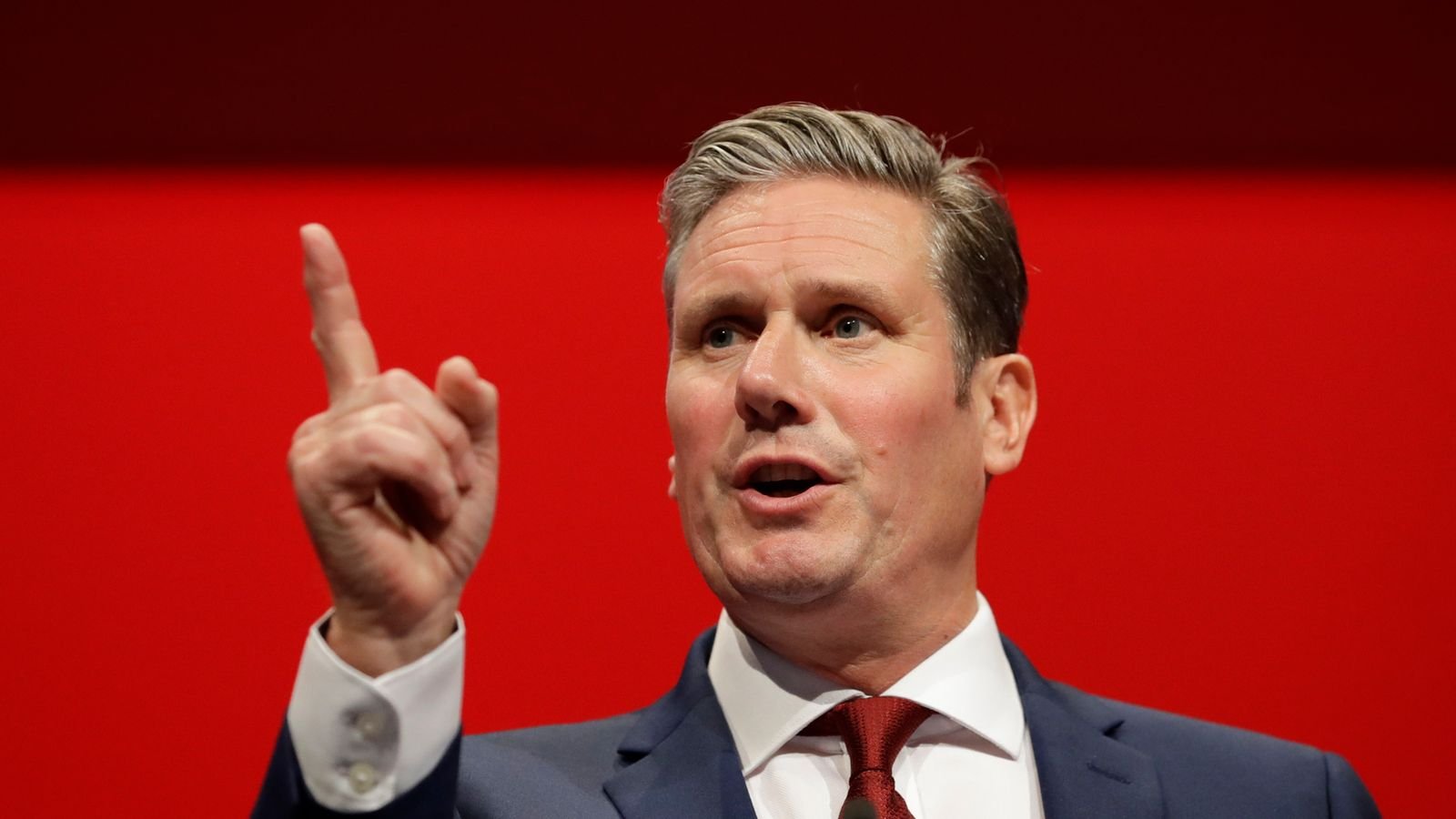



In a move that could reshape the tone of Britain’s political debate, the UK’s main opposition party is weighing the possibility of nominating a non-political figure as its vice-presidential candidate ahead of the upcoming general election. The idea, still in the exploratory stage, reflects both the party’s strategic calculations and the wider public mood of disillusionment with career politicians.
A Radical Break from Tradition
The UK does not formally have an executive vice president in the American sense, but within the opposition bloc, senior leadership positions are often framed in quasi-presidential terms—especially in an era when politics is increasingly personality-driven. Floating the idea of a vice-presidential running mate drawn from outside the political class signals a willingness to break from Westminster norms and tap into frustration with a political establishment seen as aloof, self-interested, and out of touch.
Party strategists suggest that a candidate with a strong track record in business, academia, civil society, or even the arts could bring credibility and freshness to the ticket. By appealing to voters who distrust politicians yet remain engaged in national issues, the opposition hopes to blunt the ruling party’s attacks and widen its base.
Public Frustration with Politics
The proposal arrives at a moment of deep skepticism toward mainstream politics in the UK. Polls consistently show declining confidence in Parliament, growing alienation among younger voters, and widespread cynicism about whether politicians keep their promises. The cost-of-living crisis, record inflation, and strains on public services have only fueled discontent.
In this environment, the symbolism of elevating someone without political baggage could be powerful. “The message is simple: politics needs a reset,” one party official explained. “People are tired of professional politicians. They want competence, integrity, and a voice that represents them rather than the system.”
Balancing Freshness with Risk
Still, the plan carries risks. Non-political candidates can galvanize voters, but they also lack the experience and resilience required for the cut-and-thrust of electoral combat. A figure unfamiliar with parliamentary procedures or the complexities of government could be seen as naïve or ill-prepared.
Rival parties are already poised to pounce. Senior figures in the governing bloc argue that running a non-political figure would be “an unserious gimmick” that underestimates the responsibilities of high office. Party insiders also worry that if the experiment backfires, it could hand the ruling party a potent line of attack: that the opposition lacks capable leadership within its own ranks.
International Precedents
This would not be the first time a political movement has looked outside traditional circles for star power. Across Europe and beyond, outsider candidates have reshaped political landscapes in recent years. Italy’s Five Star Movement drew heavily on comedians, activists, and online personalities. In Ukraine, Volodymyr Zelenskyy’s transition from actor to president remains one of the most dramatic examples of a non-political figure seizing power.
The UK’s opposition, however, is not proposing to replace its party leader with an outsider, but rather to complement them with a fresh face. Supporters argue that such a move balances continuity with novelty, combining proven political leadership with a symbolic gesture toward inclusiveness and renewal.
The Search for the Right Candidate
Speculation has already begun about who might fit the bill. Names from the corporate world, academia, and even sports have been floated in the press, though party officials insist that no shortlist has been finalized. What is clear is the type of profile under discussion: someone with broad recognition, a reputation for integrity, and the ability to connect with ordinary voters.
The selection process itself could become a focal point of the campaign. A transparent, participatory search could underline the opposition’s claim to be more open and democratic than its rivals. But a clumsy or overly secretive process might reinforce perceptions of political stage-management.
Calculating the Electoral Impact
For the opposition, the gamble is rooted in electoral math. Party strategists believe that they already command loyalty from a large share of traditional left-leaning voters, but must make deeper inroads into undecided and disengaged constituencies to secure a governing majority. By elevating a respected outsider, the party hopes to send a message that it understands voter frustration and is willing to innovate.
Yet the ruling party is equally confident that it can expose the weaknesses of such a plan. “Politics is not a reality show,” one minister said. “You cannot run a country on slogans and photo opportunities.”
Conclusion
Whether the opposition moves forward with a non-political vice-presidential candidate or not, the discussion itself reflects a shifting political landscape in Britain. It underscores how mainstream parties are grappling with voter disillusionment and experimenting with unconventional strategies to regain trust.