


For more than two decades, the Shinawatra family has dominated Thailand’s political scene, shaping its modern political trajectory with both sweeping electoral victories and bruising defeats at the hands of the establishment. But today, after years of turmoil, exile, and compromise, the dynasty appears to be approaching a period of decline, raising questions about the future of Thailand’s populist movement and its balance of power with entrenched elites.

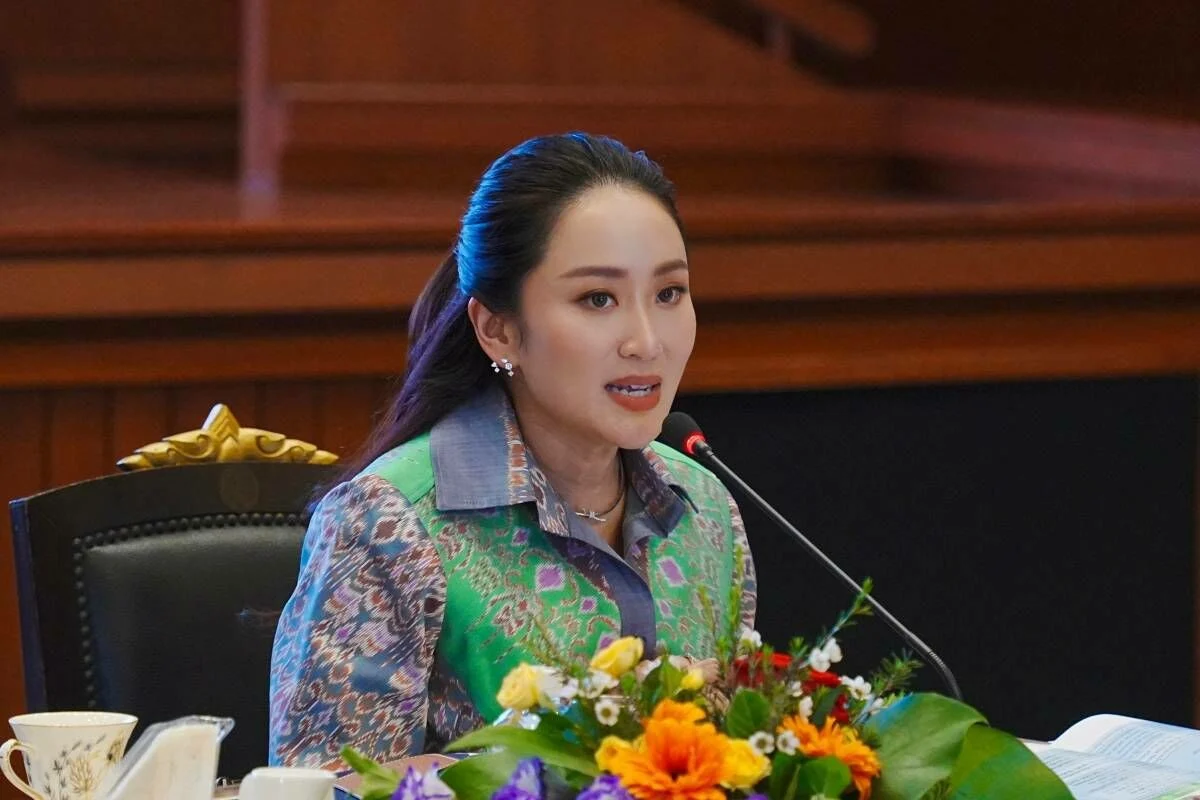

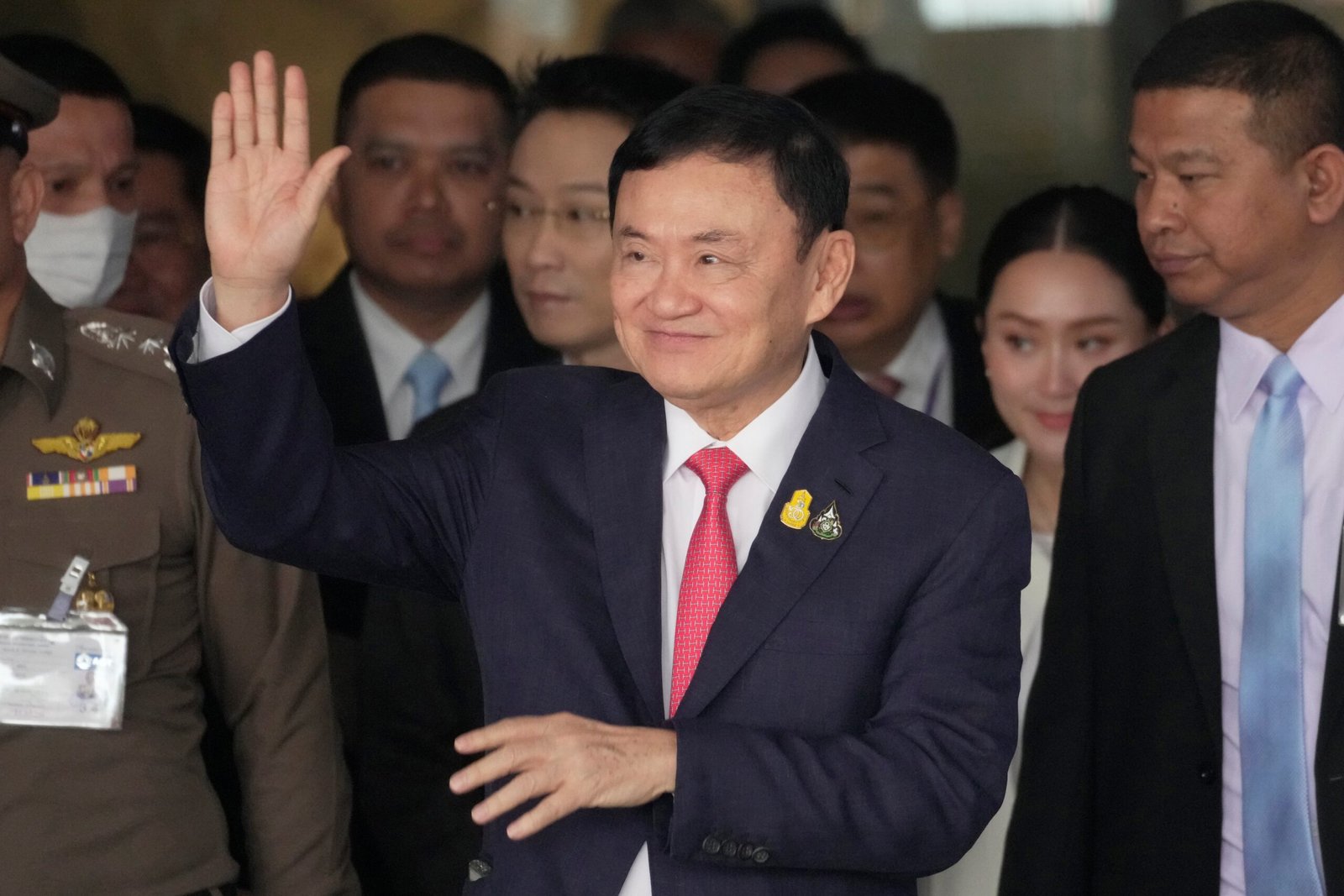
A Dynasty Built on Populism
The family’s political journey began with Thaksin Shinawatra, a billionaire telecom magnate who rode to power in 2001 on promises of economic reform and support for Thailand’s rural poor. His policies—affordable healthcare, village development funds, and debt relief—won him extraordinary loyalty among working-class Thais.
Yet his popularity clashed directly with Thailand’s conservative establishment, including the monarchy-aligned military and Bangkok’s bureaucratic elite. Thaksin was ousted in a 2006 coup and fled into exile, but his shadow remained powerful. Successive proxy parties aligned with him repeatedly won elections, only to be challenged by courts, coups, or mass protests.
Thaksin’s younger sister Yingluck Shinawatra became prime minister in 2011, extending the dynasty’s hold on power. But her government too was toppled by a military coup in 2014, cementing the image of a family whose electoral dominance was constantly checked by extra-parliamentary forces.


The Return of Thaksin—and Its Costs
In 2023, Thaksin made a dramatic return to Thailand after 15 years abroad, seeking both to reunite with his homeland and to restore his family’s influence. His return coincided with a political arrangement that allowed the Pheu Thai Party, the latest Shinawatra-aligned force, to form a coalition government with establishment-backed parties.
That compromise ensured Pheu Thai a place in power but came at a steep price: disillusionment among its traditional base. For many rural and working-class voters, aligning with conservative rivals looked like a betrayal of the populist legacy that once defined the Shinawatras. The deal also limited the family’s ability to govern freely, forcing them to navigate carefully between their promises to supporters and their concessions to Thailand’s ruling elites.
Rising Challenges from New Movements
The weakening grip of the Shinawatra dynasty has been compounded by the rise of new political movements, particularly the progressive Move Forward Party. Popular with younger voters, Move Forward champions structural reforms, anti-corruption measures, and curbs on military power. Its success in recent elections revealed how much of the Shinawatras’ traditional anti-establishment appeal has shifted toward fresher, bolder alternatives.
While Pheu Thai still retains strong support in parts of the countryside, the energy and enthusiasm that once powered its sweeping victories now seem to belong to a new generation of reformists. For many voters, the Shinawatra brand feels less like the engine of change and more like a compromised relic of past battles.
A Fragile Balancing Act
Today, the Shinawatras stand at a crossroads. Thaksin’s return has provided a measure of personal closure and symbolic strength, but it has also underscored the limits of the dynasty’s political leverage. The compromises made to secure a governing role could erode the family’s long-term support base, especially if they fail to deliver on promises of economic relief and political reform.
Meanwhile, their rivals are emboldened. The military and royalist establishment remain vigilant against any resurgence of Shinawatra dominance. Progressive reformists, on the other hand, view the dynasty as part of an older political order unwilling or unable to push for true systemic change.
The End of an Era?
It would be premature to declare the Shinawatra dynasty finished. The family has shown remarkable resilience in the past, surviving coups, court rulings, and exile while maintaining influence over Thai politics. Their populist brand still resonates with millions who remember the tangible benefits of their earlier policies.
Yet the momentum is shifting. Instead of setting the agenda, the Shinawatras now appear to be adapting to it—caught between appeasing entrenched elites and fending off challenges from newer, more dynamic political movements. Their decline may not be sudden, but it looks increasingly inevitable unless they can reinvent themselves for a changing political landscape.
Conclusion
The Shinawatra dynasty once symbolized the struggle between popular democracy and entrenched elite power in Thailand. But as new movements rise and old compromises deepen, the family risks fading from its role as the central axis of Thai politics.


