
Nepal’s Pro-Monarchy Protests Rock Kathmandu: King Gyanendra’s Return Demanded
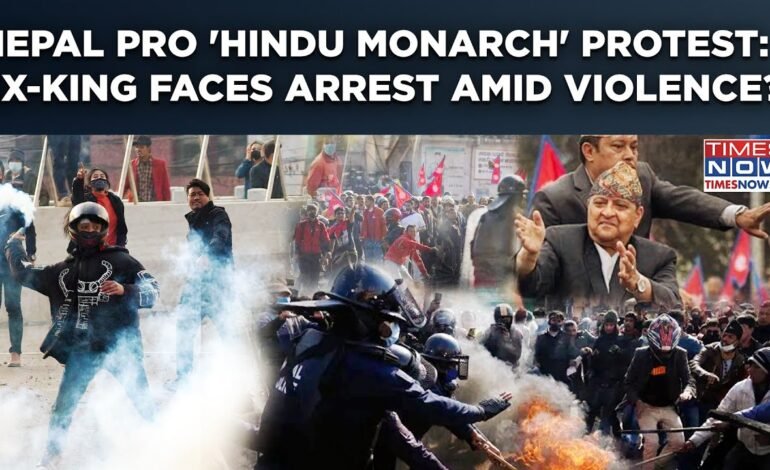

The streets of Kathmandu have erupted with chants, flags, and a wave of nostalgia as pro-monarchy demonstrators rally for the return of King Gyanendra to power. The sudden surge of monarchist sentiment has caught both political elites and observers off guard, reigniting debates over Nepal’s fragile democracy and the legacy of its once-powerful royal family.
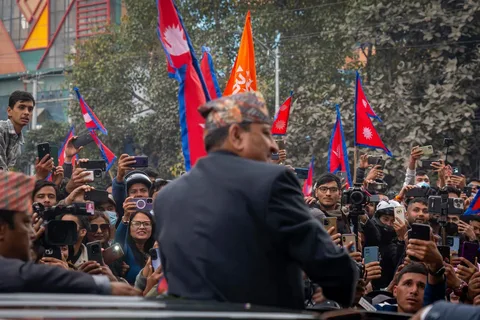
Crowds Demand Restoration of the Throne
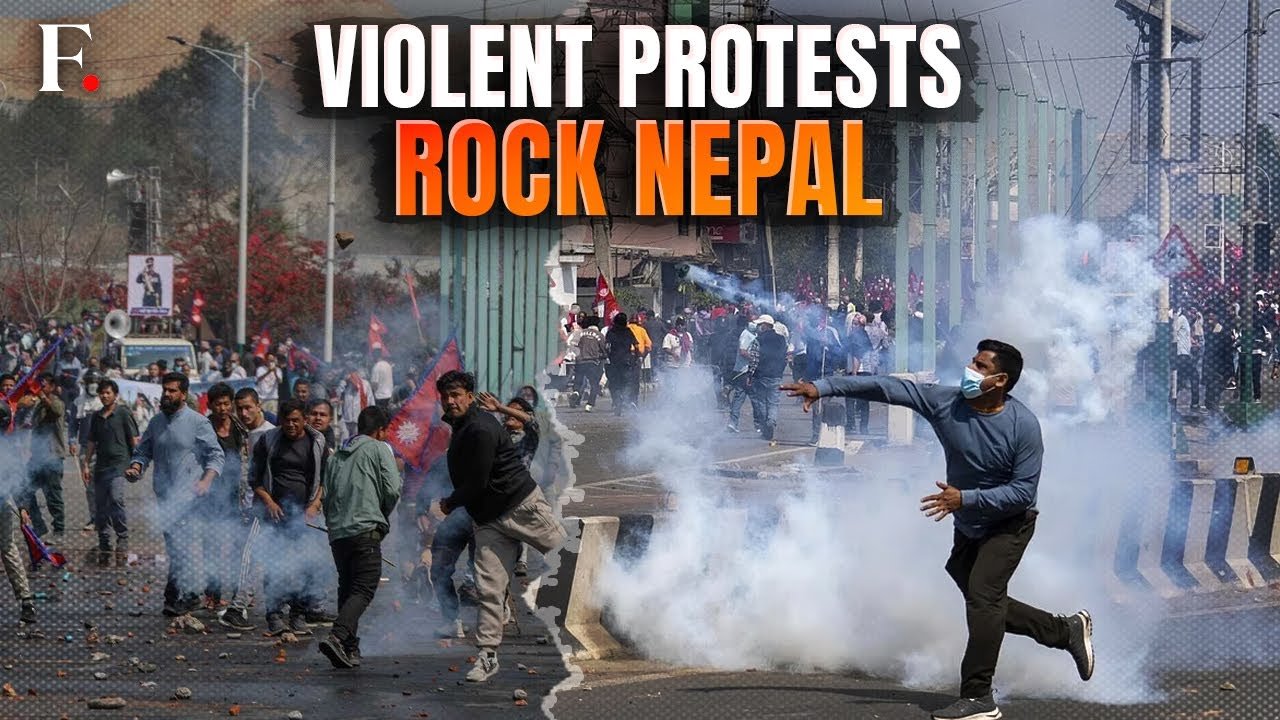
Thousands of supporters, many draped in the national flag or waving portraits of King Gyanendra, filled the capital over the weekend. Protesters carried banners reading “Bring Back the King” and accused the current republican system of failing to deliver stability, prosperity, or national unity.
“We gave up the monarchy for democracy, but look what we have now—corruption, chaos, and endless political games,” said 55-year-old protester Ramesh Shrestha. “The King may not be perfect, but he is a symbol of unity above party politics.”
The rallies have drawn a diverse cross-section of society, from older royalists who remember the kingdom years fondly to young Nepalis disillusioned by persistent political instability since the monarchy’s abolition in 2008.
Democracy’s Growing Discontent
The demonstrations reflect deep frustration with Nepal’s current political trajectory. Since the monarchy was replaced by a federal republic, the country has cycled through multiple governments, marred by factionalism, corruption scandals, and slow progress on development.
Critics say that promises of an inclusive, stable, and prosperous republic remain unfulfilled. Disputes over constitutional powers, uneven federal governance, and economic stagnation have fueled discontent.
“People are not necessarily in love with monarchy,” said analyst Sunita Koirala. “They are angry at the failures of the political class. The King has become a convenient rallying point for those frustrations.”
King Gyanendra’s Role
King Gyanendra, Nepal’s last monarch, has kept a largely low profile since the monarchy was abolished. His rule ended amid widespread protests against his direct assumption of power in 2005, when he dissolved parliament and tried to govern unilaterally. That move ultimately accelerated republican calls and cost the monarchy its legitimacy.
Yet today, a growing segment of the population seems willing to forgive or overlook those events, viewing Gyanendra instead as a unifying figure in contrast to Nepal’s fractured politics. Though he has not openly campaigned for restoration, Gyanendra has appeared at cultural and religious ceremonies where crowds frequently greet him with chants of loyalty.
Government Pushback
Officials in the ruling coalition have dismissed the protests as a “manufactured distraction,” insisting that Nepal’s republican system is irreversible. Prime Minister Pushpa Kamal Dahal, himself a former Maoist insurgent leader who once fought against the monarchy, warned that attempts to revive the crown threaten to undermine hard-won democratic gains.
“The people chose a republic,” Dahal declared in a press conference. “The sacrifices of thousands during the civil war cannot be erased by nostalgia.”
Security forces were deployed across Kathmandu to maintain order during the rallies. While the demonstrations were largely peaceful, minor clashes between protesters and police highlighted the tension. Several participants were briefly detained before being released.
Regional and International Dimensions
The rise of pro-monarchy protests also carries regional significance. Nepal sits strategically between India and China, both of which have deep interests in its stability. Analysts suggest that India, historically tied to Nepal’s monarchy, is watching closely but unlikely to openly intervene. Meanwhile, China has supported Nepal’s republican government and is wary of any political shifts that could weaken its influence.
International observers have expressed concern that the protests could deepen divisions within Nepal, which is still struggling to consolidate democratic institutions. Rights groups, however, have emphasized the importance of allowing peaceful demonstrations as part of democratic expression.
Risks of Escalation
Though monarchist movements remain a minority force, their growing visibility could embolden further demonstrations across the country. With youth unemployment rising and political infighting paralyzing governance, the environment is ripe for alternative movements to gain traction.
Some analysts warn that if mainstream parties fail to address popular grievances, calls for a return to the monarchy could evolve into a broader challenge to the republican system. Others caution that any attempt to restore royal power could spark renewed instability, potentially reigniting memories of civil conflict.
A Nation at a Crossroads
For now, King Gyanendra has remained silent as the chants for his return echo across Kathmandu. His restraint adds to the intrigue: whether he is simply a symbol for frustrated citizens or an active political alternative waiting in the wings remains unclear.
What is clear, however, is that the pro-monarchy protests underscore a deeper dissatisfaction with the status quo. Many Nepalis feel stuck between a faltering republic and a past monarchy whose memory now seems more appealing than the current reality.
As one protester put it during the weekend rally: “We don’t want kings or politicians—we want dignity, stability, and a government that works.”
Conclusion
The eruption of monarchist protests in Kathmandu marks a dramatic twist in Nepal’s post-monarchy journey. Whether the movement grows into a serious political challenge or fades as a symbolic outcry will depend largely on how the government responds to citizen frustrations.