
When History Whispers: Manila’s Century-Old Meeting Revisited
History often leaves behind fragments—moments of diplomacy, struggle, or unity that echo long after the participants are gone. In the case of Manila, the Philippines’ bustling capital, one such moment

History often leaves behind fragments—moments of diplomacy, struggle, or unity that echo long after the participants are gone. In the case of Manila, the Philippines’ bustling capital, one such moment remains etched in collective memory: a century-old meeting that continues to whisper lessons for today’s generation. Revisiting this historic gathering not only connects us to the past but also reminds us of how the struggles, aspirations, and alliances of earlier times helped shape the nation’s identity.
The Backdrop of a Changing Manila
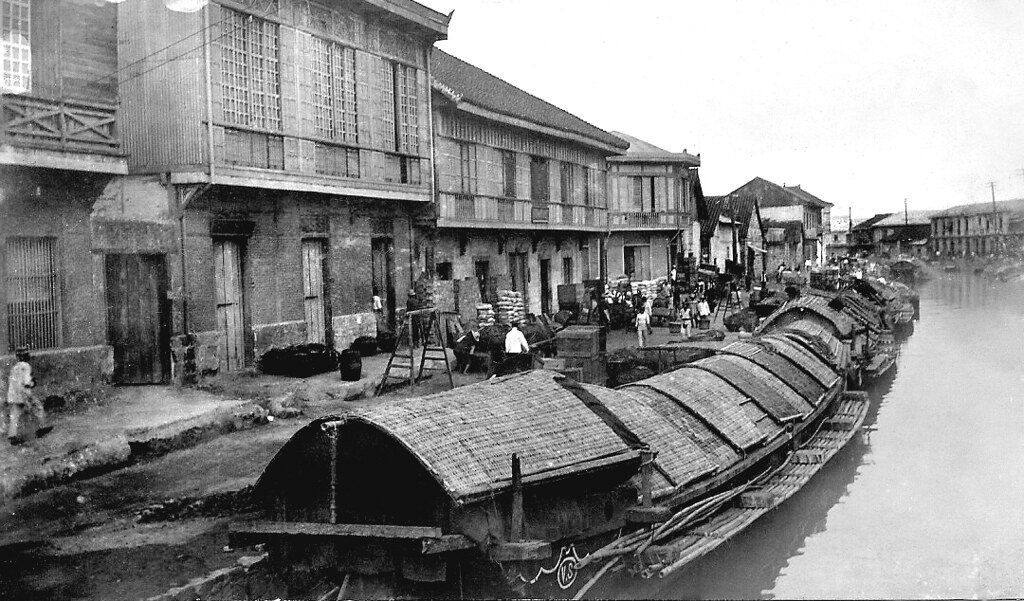
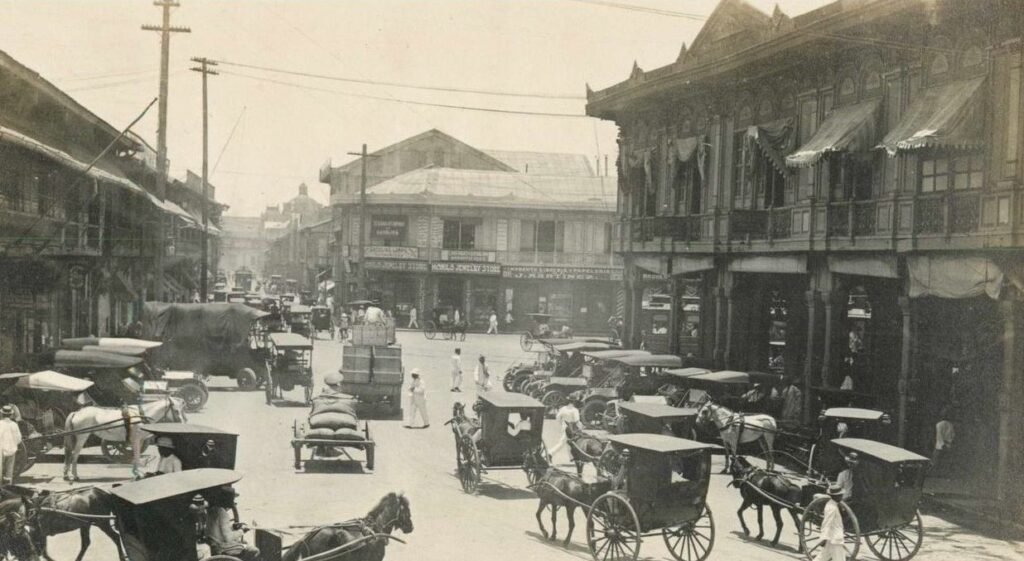
A hundred years ago, Manila was very different from the modern city we know today. Colonial influences were still evident, as the Philippines was transitioning through the turbulence of post-colonial struggles and the early stirrings of independence. The city stood as a meeting ground for leaders, reformists, and thinkers who envisioned a new path for the nation. These meetings were not just formal events but powerful moments where ideas collided, debates flourished, and visions for a better future were outlined.
The particular gathering in question took place against a backdrop of uncertainty. Filipinos were negotiating the balance between tradition and modernity, national identity and foreign influence. In the middle of this tension, Manila became a symbolic space for dialogue—a place where both the challenges of the present and the dreams of tomorrow converged.
The Meeting That Shaped Ideas
While details of this century-old meeting often vary depending on historical accounts, what remains clear is its significance. It was attended by a mix of political leaders, reformists, writers, and cultural figures who understood that change required more than armed resistance—it needed conversations, strategies, and a shared vision.
At this meeting, discussions centered around the role of education, governance, and national pride. There was debate on how to preserve cultural heritage while still embracing progress. Voices rose in passion about independence and unity, while others advocated for cautious reforms. Even disagreements during this session were valuable, as they reflected the diversity of thought that shaped Philippine society.
Why It Still Matters Today
One may wonder, why revisit a century-old meeting? The answer lies in its echoes. The Philippines today faces challenges that, although different in form, are not entirely alien to what the leaders of that meeting debated. Issues of governance, identity, globalization, and national progress remain at the forefront.
That meeting in Manila stands as a reminder that progress is born from dialogue. It shows us that even in times of uncertainty, collective reflection and discussion can lay the foundation for long-term growth. When history whispers, it calls us to listen—to not only admire the courage of those who came before but also to draw wisdom for our present struggles.
The Symbolism of Manila as Host
Manila was not a random choice. As the heart of political and cultural life, the city symbolized both the challenges and opportunities facing the nation. Hosting such an important meeting in Manila reflected a central message: national change must begin at the core, where diverse voices intersect. The gathering was a stage where the Philippines’ unique blend of cultures and histories came together, making the city a living witness to transformation.
Lessons for Today’s Leaders
Looking back, three key lessons emerge:
- Dialogue Is Powerful: The participants understood that ideas, when exchanged openly, can be as influential as any political action.
- Identity Must Be Preserved: Even as they looked toward modernization, they valued the importance of protecting Filipino heritage and culture.
- Unity Amid Diversity: Though not all voices agreed, the act of gathering itself was a step toward building a common national direction.
Conclusion: The Whisper of History
The century-old meeting in Manila may no longer dominate headlines, but its whispers continue to shape the present. It was more than just an assembly; it was a declaration that progress requires both reflection and unity. Revisiting it today allows us to see how far the Philippines has come—and how much further it can go when guided by the same spirit of dialogue and vision.
As Manila continues to grow into a modern metropolis, its streets, plazas, and halls still echo with the voices of those who dared to dream a century ago. When history whispers, it is our responsibility to listen—and to act.