
Indonesians Fly ‘One Piece’ Flag in Protest Against Truck Ban, Sparking Treason Claims
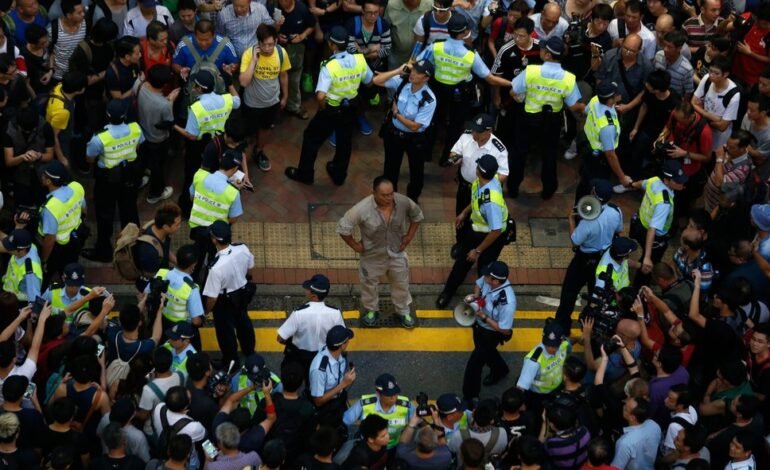

A protest in Indonesia has taken an unexpected turn after demonstrators opposing new restrictions on freight trucks were accused of treason for raising a pirate flag from the popular Japanese manga and anime series One Piece. The unusual choice of symbolism has sparked a nationwide debate, highlighting both the frustrations of Indonesia’s trucking industry and the government’s increasingly sensitive response to displays of dissent.
The Trigger: A Ban on Trucks
The protests erupted after authorities announced stricter limits on heavy trucks entering Java’s main roads and highways during peak holiday periods. Officials said the measure was necessary to ease traffic congestion and improve safety.
But trucking associations argue the restrictions severely hurt livelihoods. Many drivers are paid per delivery, and delays caused by the ban mean lost income. “We cannot work if our trucks are parked for days. Our families depend on us,” said Sutrisno, a long-haul truck driver who joined the rally.
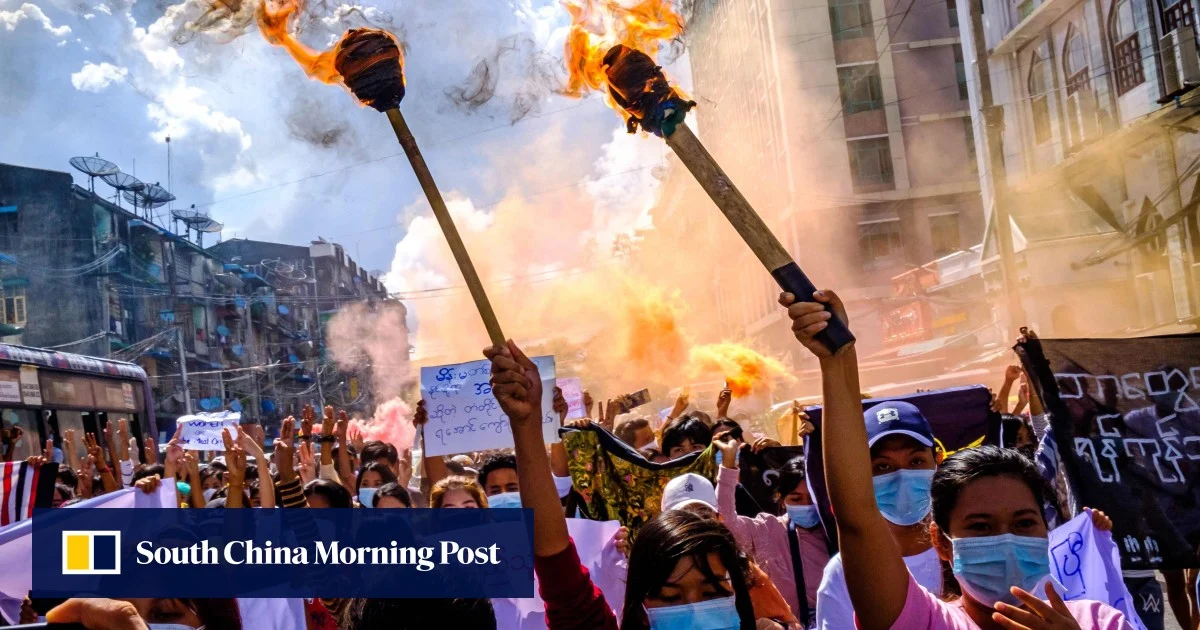
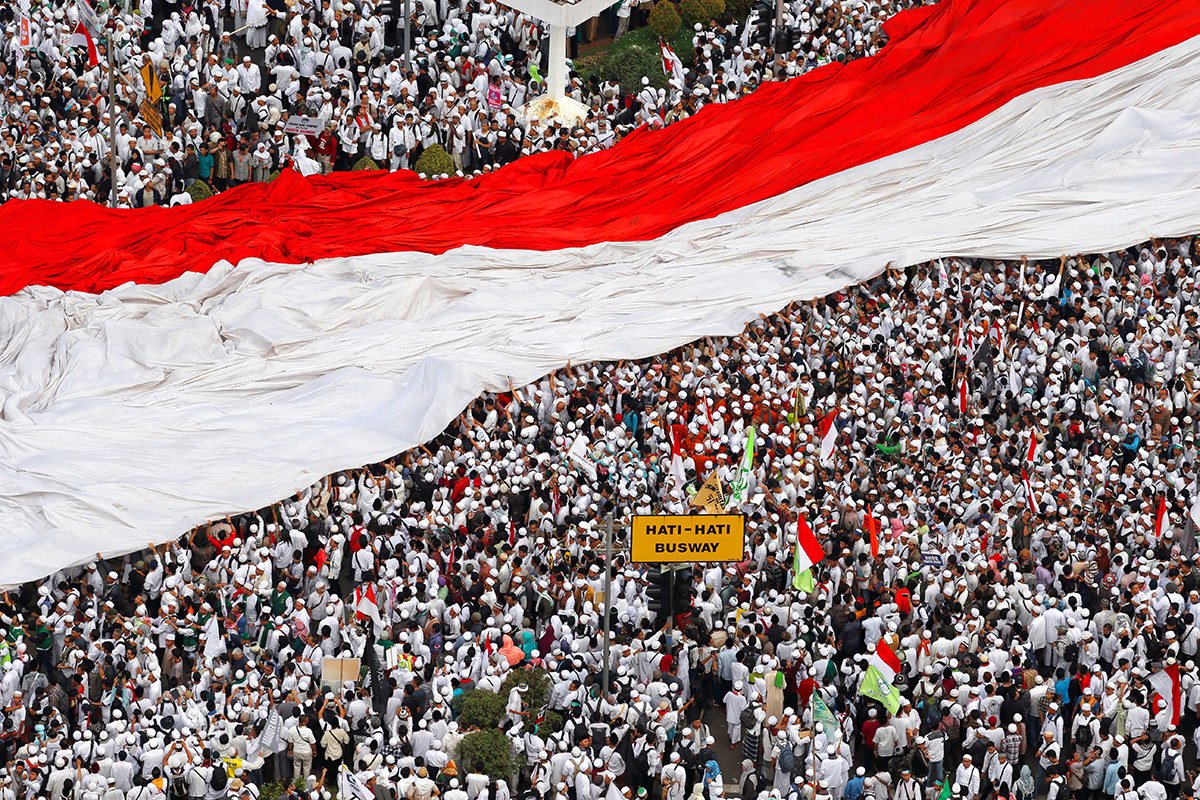
The protests, centered around Jakarta and several provincial cities, were initially peaceful, with drivers parking convoys of trucks and waving banners demanding the government reconsider.

A Pirate Flag Enters the Scene
Tensions escalated when some demonstrators unfurled a black flag featuring a skull with a straw hat — the emblem of the Straw Hat Pirates from One Piece, one of the world’s most popular anime franchises. For fans, the flag symbolizes freedom, adventure, and resistance to authority.
“To us, it was a symbol of fighting oppression, not treason,” explained Adi Nugroho, a young driver who described himself as both a trucker and an anime enthusiast. “The Straw Hat Pirates fight against injustice. That’s how we feel about this ban.”
Yet government officials viewed the display differently. Some lawmakers accused the protesters of “mocking the state” and even suggested that raising the pirate flag bordered on treason, a charge that carries heavy penalties under Indonesian law.
Treason Accusations and Backlash
The treason claims quickly drew criticism from civil society groups and legal experts, who argued the government was overreacting. “Flying a fictional pirate flag is not rebellion against the Republic of Indonesia,” said legal scholar Bivitri Susanti. “It is a form of symbolic protest, protected under freedom of expression.”
Human rights organizations warned that labeling cultural references as treason risks stifling legitimate dissent. “When workers are silenced for raising a cartoon flag, it shows how intolerant the state has become toward protest,” said Usman Hamid, director of Amnesty International Indonesia.
Social media amplified the debate. Hashtags such as #SaveTruckDrivers and #OnePieceIndonesia began trending, with users mocking officials for failing to distinguish between anime fandom and political rebellion. Memes portraying President Joko Widodo as a character from One Piece circulated widely, fueling the controversy.
The Deeper Issues
Beyond the flag controversy, the protests shed light on deeper tensions in Indonesia’s transport sector. Truck drivers, who play a crucial role in moving goods across the vast archipelago, often face poor working conditions, low pay, and little government support.
The truck ban has also exposed the government’s struggle to balance infrastructure development with economic realities. While road congestion is a serious issue, drivers say the solution should not come at their expense. “Build more rest areas, improve logistics planning, but don’t punish us,” said Sutrisno.
Cultural Symbolism Meets Politics
The use of the One Piece flag highlights how pop culture can be repurposed in political movements. In Japan and across Asia, the Straw Hat Pirates have become a symbol of rebellion against corrupt authority and the pursuit of justice. That symbolism resonated with Indonesian protesters, many of whom are young workers familiar with the series.
“This is a new form of protest language,” explained sociologist Devi Asmarani. “For young Indonesians, anime and manga are cultural touchstones. By raising that flag, they connect their struggles to a global narrative of resistance.”
Government’s Dilemma
Faced with growing criticism, officials appear divided. Some have doubled down on condemning the protesters, while others acknowledge that branding anime fans as traitors risks alienating the public. The Ministry of Transportation has since announced that it will review the truck restrictions, though it stopped short of promising major changes.
Still, the treason controversy may leave lasting consequences. “If the government criminalizes cultural expression, it will deepen mistrust,” warned political analyst Yoes C. Kenawas. “What should have been a policy debate on logistics risks turning into a battle over free speech.”
What Lies Ahead
For now, protests continue in smaller waves, with truckers vowing to keep pressing until the government eases restrictions. Many demonstrators now deliberately wave the One Piece flag, turning it into a symbol not just of pop culture, but of resistance against state overreach.
As one protester quipped on social media: “If loving One Piece is treason, then half of Indonesia is guilty.”
A Turning Point?
The clash between truck drivers and the state over an anime flag may seem unusual, even absurd, but it reflects broader currents in Indonesian politics. Economic grievances, cultural expression, and state power are colliding in unexpected ways.
Whether the government chooses to de-escalate or further criminalize such protests will determine not only the future of the trucking dispute, but also the space for free expression in the country’s democracy.