
Mali Protests Escalate: Calls for Regime Change Amid Political Crackdown

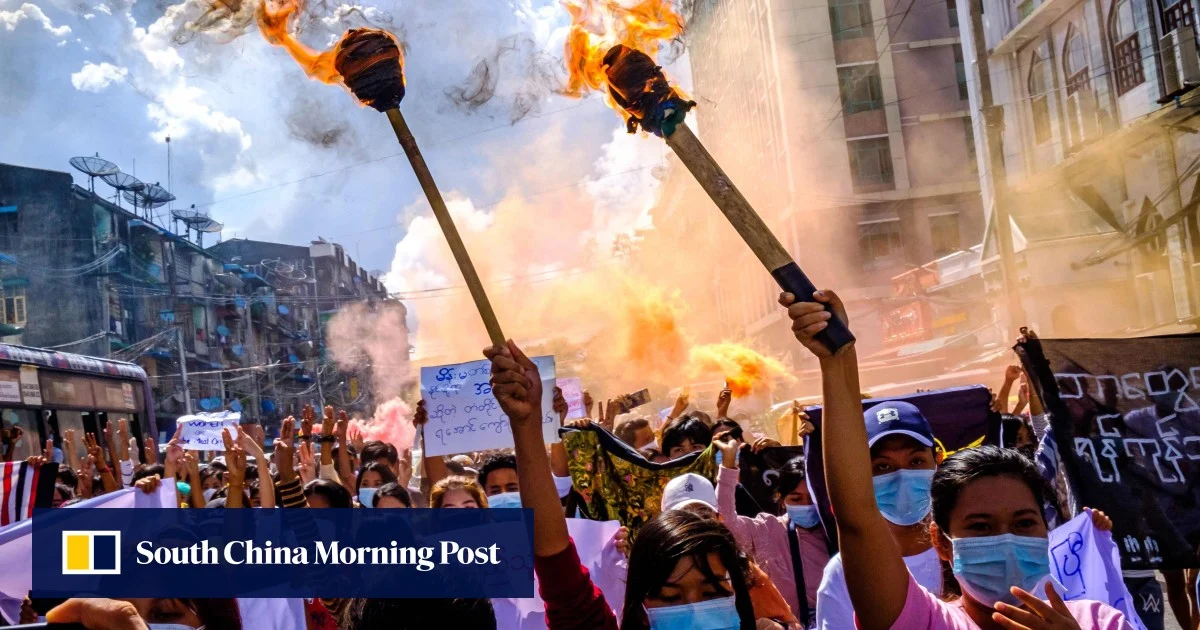
Mali has entered a volatile new phase as mass demonstrations sweep across the country, with protesters demanding the departure of the military-led transitional government. What began as scattered gatherings has now escalated into a nationwide movement, fueled by anger over political repression, economic hardship, and delayed elections.
A Growing Street Movement
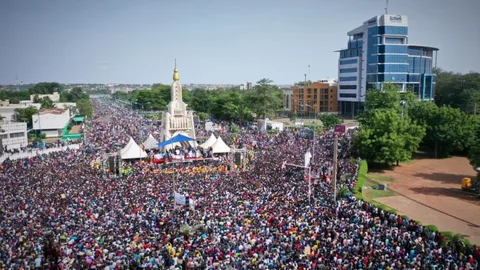
Thousands of Malians took to the streets in Bamako and other cities over the weekend, waving flags, chanting slogans, and calling for an immediate transition to civilian rule. Many protesters carried signs accusing the ruling junta of betraying promises to restore democracy after seizing power in 2020.
“This regime has failed us. We asked for stability, but all we got was silence and repression,” said Mariam Diallo, a university student at the demonstrations in Bamako. “The people are tired of waiting. We want change now.”
The protests, organized by civil society groups, opposition parties, and youth movements, mark the most serious challenge yet to the junta’s hold on power.
A Military Government Under Pressure
Mali has been under military rule since a coup in August 2020, followed by a second in May 2021 that consolidated power under Colonel Assimi Goïta. The junta initially pledged to hold elections by February 2022, but has repeatedly postponed them, citing security challenges linked to jihadist insurgencies across the Sahel.
Instead of easing tensions, the government’s delays and heavy-handed tactics have deepened public frustration. Crackdowns on opposition leaders, restrictions on media, and arbitrary detentions have fueled criticism that the military regime is more interested in consolidating control than paving the way for democracy.
Escalating Crackdown
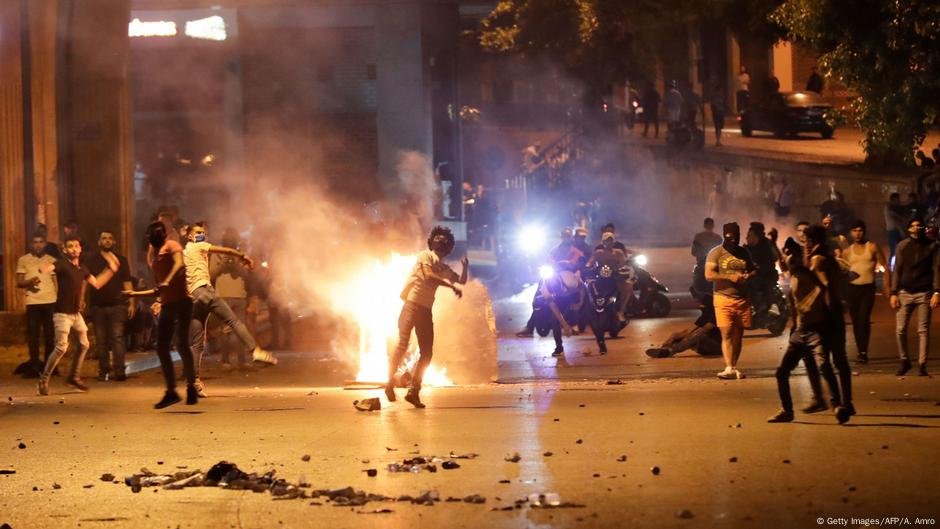
Authorities have responded to the rising protests with force. Riot police have deployed tear gas, rubber bullets, and arrests to disperse demonstrators. Human rights groups report that dozens of activists and opposition members have been detained in recent weeks.
Despite these measures, crowds continue to swell. “The crackdown only proves their weakness,” said opposition leader Soumaïla Cissé’s former adviser, speaking at a rally. “The people are not afraid anymore.”
The junta, meanwhile, has defended its actions as necessary for “maintaining order” and insists that elections will eventually take place under secure conditions.
Economic Strain and Public Anger
Beyond politics, Malians are reeling from worsening economic conditions. Sanctions imposed by the Economic Community of West African States (ECOWAS) in response to election delays have restricted trade and banking flows, hitting ordinary citizens hardest.
“The prices of food, fuel, and medicine keep rising. Meanwhile, the government talks of security and sovereignty, but what about our survival?” asked shopkeeper Abdoulaye Konaté in Bamako.
The economic crisis has become a rallying point for protesters, linking demands for democracy with everyday struggles for survival.
International Reactions
Regional and international actors are watching closely. ECOWAS, which has repeatedly urged Mali’s leaders to stick to the promised democratic timeline, condemned the crackdown and renewed calls for dialogue.
The United Nations and the African Union have also expressed concern, warning that excessive use of force against peaceful demonstrators could further destabilize the fragile country.
Western governments, including France and the United States, face a dilemma. Both have criticized democratic backsliding but are also wary of losing influence in Mali, where the junta has strengthened ties with Russia and brought in the Wagner Group, a Russian private military company, to support counterinsurgency operations.
Russia’s Shadow
The protests come amid growing resentment of the junta’s partnership with Moscow. While some Malians support the government’s pivot away from France, others view Russian involvement as an extension of authoritarian control.
“Replacing one foreign power with another doesn’t solve our problems,” said activist Fatoumata Sangaré. “The military hides behind Russia, but it cannot hide from the will of the people.”
What Comes Next?
The immediate question is whether the protests will force the junta to accelerate its electoral timetable or tighten repression further. Analysts warn that a violent standoff could plunge Mali into deeper instability, complicating efforts to combat Islamist insurgents who continue to wreak havoc in rural areas.
Some fear the unrest could embolden militants or lead to further fragmentation of the state. Others argue the protests represent a critical step toward accountability and a reassertion of popular sovereignty in a country long dominated by elites and the military.
A Nation at a Crossroads
Mali now stands at a crossroads between two futures: one where the military concedes to civilian demands and returns the country to democratic rule, and another where repression deepens, prolonging the cycle of coups, protests, and instability.
For protesters like Mariam Diallo, the stakes could not be higher. “We are fighting not just for democracy,” she said, “but for our dignity and our future.”